Philippine Food Culture and Workplace Communication Explained
For companies accepting international talent from the Philippines, understanding their cultural background is the first step toward smoother workplace communication. The Philippines in particular has distinctive features in food culture, views of family, and everyday communication styles, and knowing these can make a major difference in retention.
On the theme of Philippine food culture and the workplace, we have organized practical points that on-site managers should keep in mind. From a cultural overview to workplace considerations and common consultation patterns, we explain them in an easy-to-follow way.
Basics of Philippine Food Culture and Its Impact at Work
Philippine food culture has been shaped by multiple influences, including Malay, Chinese, Spanish, and American cultures. Everyday meals center on rice, and the basic pattern is a combination of rice and side dishes for breakfast, lunch, and dinner. Compared with Japan, seasonings that combine sweetness and sourness tend to be preferred.
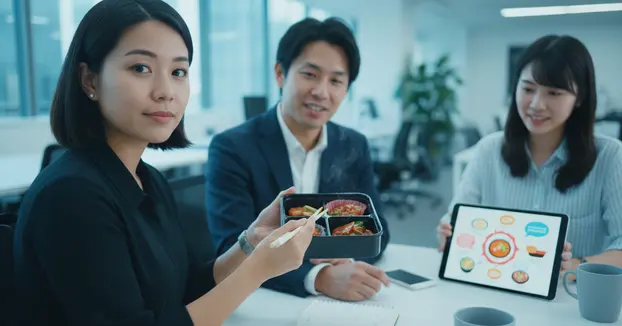
There are surprisingly many workplace situations where food culture matters—for example, employee cafeteria menus, bringing lunch from home, and choosing dishes for welcome parties or social gatherings. For employees from the Philippines, a situation without rice every day can be a major change. In lunch environments dominated by Japanese bread-based meals or noodles, it can also be harder to feel satisfied.
Knowing these differences makes it easier to offer subtle consideration at mealtimes. For example, simply checking rice menu options in the cafeteria or providing facilities to reheat bento can improve day-to-day comfort.JICA “Philippines” also broadly introduces the country’s character and cultural background (confirmed August 25, 2026).
Representative Dishes and Flavor Tendencies
Representative Philippine dishes include the following.
- Adobo: Chicken or pork simmered in vinegar and soy sauce. It is often called the national dish of the Philippines.
- Sinigang: A soup that highlights sourness from ingredients such as tamarind. It is made with fish, shrimp, pork, and more.
- Lechon: Whole roasted pig. A lavish dish served at celebrations.
- Halo-halo: A shaved-ice dessert topped with fruit, beans, ice cream, and more.
Seasonings that combine sourness and sweetness tend to be preferred, and the flavors differ from Japanese cuisine. When incorporating Philippine dishes into workplace meals, including sour options among the choices can be well received.
Mealtime Rhythm and Snacking Habits
In the Philippines, in addition to three meals a day, there is a habit of snacking (merienda). There is a culture of eating a light snack around 3:00 to 4:00 p.m., and taking a short break during this time at work is not unusual. Japanese workplaces often set break times strictly, but knowing this cultural background makes it easier to understand afternoon waves in concentration.
Characteristics of Workplace Communication with Philippine Talent
The Philippines is a multilingual country, and the official languages are Filipino and English. English is widely used in everyday communication, while regional languages such as Tagalog and Cebuano are used at home. Understanding this linguistic background helps you more deeply appreciate attitudes toward learning Japanese workplace communication.
As a communication style, there is a tendency to value relationships. People may avoid direct refusal or speak in ways that protect the other person’s face. This shares common ground with Japan’s spirit of wa (harmony), and when both sides are mindful of it, cooperative relationships become easier to build.
The Japan Foundation “Philippines” page provides an overview of Philippine culture and social background (confirmed August 25, 2026). Use it as an entry point for cross-cultural understanding.
Views of Family and Their Impact at Work
In Philippine culture, family is extremely important. One reason people work overseas is often to send remittances to family, and family health and events are directly tied to work motivation. Touching on family topics at work can be a meaningful way to build trust.
Concretely, this can include lightly asking about how the family is doing, responding flexibly when a family member falls ill, and creating an environment where it is easy to discuss home-visit timing. These are, however, options for consideration that managers decide case by case, and they do not apply to every situation.
Language Barriers and Tips for Responding
Ability to communicate in Japanese varies by individual. Even those who are fluent in English often struggle with expressions unique to Japanese workplaces and with distinguishing levels of keigo (honorific language). It is effective to keep work instructions concise, put them in writing when needed, and use diagrams or photos.
For international talent hiring overall, we organize the fundamentals in ourbasic article on hiring foreign workers. Please refer to it as well.
Common On-Site Consultations
Here are several consultations frequently raised by companies accepting Philippine talent. These themes come up repeatedly in real workplaces, and knowing them in advance helps you respond calmly.
Consultation 1: There seems to be dissatisfaction with lunch content, but the cause is unclear
Consultations such as “They seem to be eating less at lunch lately” are relatively common. Causes vary, but possible factors include insufficient rice, seasoning that does not suit them, or no way to reheat food. First, it is important to ask the person directly in a way that does not create pressure.
Consultation 2: Balancing preferred home-visit timing with work scheduling
Given the cultural emphasis on family, people may hope to visit home around the year-end/New Year period or in summer. A good approach is to discuss early whether wishes can be accommodated while minimizing impact on operations. Aligning schedules in advance makes it easier for both sides to accept the outcome than a sudden refusal.
Consultation 3: Feedback that it is hard to gauge distance with colleagues
Employees from the Philippines sometimes say they are unsure how to interact with Japanese colleagues. Japanese workplaces value politeness, and the sense of distance at first meeting can feel somewhat far. Ideas include setting regular casual conversation time within the team and assigning mentors.
Comparisons with other countries’ cultures can also help.Our article on workplace communication with Myanmar talent introduces communication points for talent with different cultural backgrounds.
Failure Patterns and How to Avoid Them
Even with deeper cultural understanding, unexpected stumbling blocks can arise in actual operations. Here we introduce common failure patterns and ways to avoid them.
Failure 1: Insufficient consideration in choosing menus for meal gatherings
This is the case where welcome parties or social gatherings offer almost no dishes that employees from the Philippines can eat. For example, a seafood-centered course with limited meat dishes or rice options may leave them unable to enjoy the meal fully.
Avoidance measures include confirming preferences and allergies in advance and broadening menu choices. Also, including even one familiar dish can lower the barrier to participation.
Failure 2: Feedback that was too direct
This is the case where, when conveying points for improvement at work, the wording became too direct—even though Japanese culture often communicates indirectly. Because Philippine communication tends to value consideration for the other person, overly direct criticism can damage the relationship.
Avoidance measures include sharing what went well along with points for improvement, delivering feedback one-on-one, and explaining specific actions together with results. It is important to stay unemotional and base the dialogue on facts.
Failure 3: Treating cultural differences as “personal issues”
If food preferences, family topics, snacking habits, and the like are dismissed as “just personal preference,” the other person may feel misunderstood. For behavior rooted in cultural background, first trying to understand that background builds trust.
Points Hiring Managers Often Overlook
Here we organize several points that tend to be overlooked in the hiring process and post-joining follow-up. Being aware of them in advance can reduce post-joining trouble and support retention.
Point 1: Religious dietary considerations
Christianity (mainly Catholicism) is the majority religion in the Philippines, but some people practice Islam. When checking food options, keeping religious background in mind enables more careful support. Degrees of personal observance vary, however, so it is important always to confirm with the individual.
Point 2: Balance between English and Japanese ability
Even those who are fluent in English are expected to communicate in Japanese in Japanese workplaces. Relying on strong English skills and neglecting Japanese learning support can make detailed work instructions harder to convey. Continuously providing Japanese learning opportunities is a key to retention.
Point 3: Mental care around holidays and event periods
Major Philippine holidays (such as Christmas) fall at different times from Japanese holidays. December in particular is one of the most important periods in the Philippines, and some people feel loneliness spending it away from family. Sending a brief thoughtful message or planning a small event during this time can help build a warmer workplace.
Point 4: Facilities for reheating meals
Microwave use is common in Japanese workplaces, but some sites lack equipment or limit usage times. Given a cultural preference for warm meals, providing reheating facilities is a surprisingly important point.
Decision Criteria: Balancing Cultural Consideration and Operations
Cultural consideration matters, but the reality is that not everything can be accommodated. Clarify criteria for how far to accommodate and where to prioritize operational rules.
Basic Decision Principles
- Prioritize rules for matters that directly affect operational safety or quality
- Accommodate matters related to daily comfort (meals, how breaks are taken, etc.) within a feasible range
- Consider accommodations only to the extent they do not undermine fairness with other employees
- With cultural background understood, look for forms of mutual compromise
Concrete Decision Examples
For lunch menu choices, individual accommodation is possible. On the other hand, parts related to food hygiene rules or safety procedures cannot be changed because of cultural differences. Clearly separating what can be accommodated from what must be upheld makes on-site decisions less confusing.
Diagram: Pre-Hiring Confirmation Flow
We organize items to confirm before accepting Philippine talent in step form.
Step 1: Confirm food preferences and allergies
- In interviews or pre-joining orientation, ask about foods they can eat and foods they dislike
- Also confirm whether there are any religious dietary restrictions
Step 2: Prepare the workplace meal environment
- Check whether rice menus and reheating facilities are available in the employee cafeteria or nearby restaurants
- If needed, consider introducing equipment to reheat bento
Step 3: Align on communication approach
- Decide how work instructions will be delivered (use of oral vs. written communication)
- Set regular opportunities for feedback
Step 4: Share family-related information
- Confirm emergency contacts and preferred home-visit timing early after joining
- Put in place systems that can respond flexibly to family illness and similar situations
Step 5: Share cultural understanding internally
- Share cultural background not only with managers but also with colleagues who will work together
- Also communicate that there are individual differences so stereotypes are avoided
This flow is one reference example. Please adjust the necessary steps to fit your workplace size and industry.
Practical Checklist
- Did you confirm food preferences, allergies, and any religious dietary restrictions during the interview?
- Have you prepared a workplace environment where rice menu options and heating facilities are available?
- Have you established a system for communicating work instructions both verbally and in writing?
- Have you set up regular one-on-ones and feedback opportunities?
- Have you identified the timing of major Philippine holidays and events and prepared mental care measures?
- Have you set up a channel for early consultation on preferred home-visit periods?
- Have you shared cultural background with colleagues and explained that individual differences exist?
- Have you documented or shared internally the priority between cultural considerations and work rules?
Frequently Asked Questions (FAQ)
Q1: Do Filipinos eat rice every day?
Yes, rice is often the centerpiece of all three daily meals. There is a culture of pairing rice with side dishes even at breakfast, and affinity for rice can be said to be high compared with Japan. When preparing the meal environment at work, it helps to keep rice menu options in mind.
Q2: What should you watch for in workplace communication?
Because there is a tendency to avoid direct negation, feedback works best when it is fact-based and balances what went well with areas for improvement. Understanding the cultural background that values relationships, and placing importance on everyday small talk and greetings, also makes it easier to build trust.
Q3: How should you choose the menu for a welcome party?
After confirming preferences and allergies in advance, including meat dishes and rice options provides peace of mind. There is also a tendency to enjoy sour dishes and sweet desserts, so for course meals, incorporating even just one such item can be appreciated.
Q4: Is it okay to talk about family at the workplace?
It depends on the individual, but because there is a cultural background that values family, lightly asking about recent news can help build trust. However, it is best not to dig too deep and to stay within a range the other person finds easy to discuss.
Q5: How should snacking habits be handled at the workplace?
There is a culture of eating light snacks during afternoon breaks. It helps to respond flexibly within workplace rules. If break times are fixed, it is important to tell the person so they can manage within those times.
Summary: Cultural Understanding Is the Key to Retention
Understanding Philippine food culture and communication styles is very important for building trust in the workplace. Let us review the following points.
- There is a rice-centered food culture, and considering the workplace meal environment improves comfort
- Understanding the cultural background that values family, and responding flexibly, leads to trust
- In communication there is a tendency to value consideration for others, so care is needed in how feedback is delivered
- Clarifying the priority between cultural considerations and work rules makes on-site decisions less confusing
- Advance confirmation and environment preparation influence retention after joining
Good relationships with Philippine talent are born not from doing something special, but from the accumulation of small everyday considerations. Knowing cultural differences and engaging with each person as an individual supports long-term success.
If you have questions about accepting Philippine talent, please contact us via Foreign Talent Insights Contact. Let us work together on practical advice tailored to your workplace realities.
Related Articles: Practical Topics Worth Reviewing Together
Please also review practical articles on related themes as needed.
 Written by
Share this article


