CULTURE & LIVING ABROAD
What Do Vietnamese People Like to Eat? Best Foods to Treat Them To
Quick answer: What should you treat Vietnamese people to?
Dishes built around rice, noodles, vegetables, and seafood tend to feel familiar, but preferences still vary from person to person. For a welcome dinner, offer two or three restaurant options and ask in advance about religious restrictions, allergies, and preferences around raw food or strongly scented ingredients—that is the most reliable form of hospitality.
When inviting Vietnamese people out to eat in Japan, many hosts wonder which restaurants to choose. Ingredients that Japanese people take for granted can still be unfamiliar to Vietnamese guests. Below, we introduce what works well when treating Vietnamese colleagues, including favorite foods and common dislikes.
Vietnamese favorite foods 1: Noodle dishes
Vietnamese people are familiar with a wide range of noodle dishes, including rice noodles such as pho and bun, as well as egg noodles and glass noodles.
Many Vietnamese people love ramen
Restaurants serving Japanese-style ramen are limited to urban areas and large commercial facilities in Vietnam, and the dishes are often adapted for local tastes. As a result, many Vietnamese people say they want to try authentic ramen when they come to Japan. Soy sauce is used daily in Vietnam, and miso is widely recognized as a Japanese health food. Starting with shoyu or miso ramen, then introducing tonkotsu or more creative styles, is a good approach.
Pasta: tomato sauce is the standard
Vietnamese people love tomato-sauce pasta. They eat it regularly at home and at fast-food restaurants. Younger Vietnamese people in particular tend to like pasta, so an invitation to an Italian restaurant is usually welcome. That said, sauces other than tomato are largely unfamiliar. When ordering to share, including Napolitan or meat sauce is a safe choice.
Soba and udon: preferences vary widely
Udon is not unknown in Vietnam, partly because Acecook Vietnam’s instant noodles are widely available. Soba is known through the internet and word of mouth, but relatively few people have actually tried it. Feedback from Vietnamese people who have lived in Japan suggests that likes and dislikes for soba vary by individual. For a first meal invitation, it is safer to avoid specialty soba restaurants.
Vietnamese favorite foods 2: Yakiniku and hot pot
Except in some regions, Vietnam is a warm country year-round—but no matter how hot it gets, people still love gathering around sizzling yakiniku and hot pot.
Hot pot and yakiniku are go-to celebration meals
When celebrating, Vietnamese people often prefer BBQ. Grilling meat outdoors with plenty of smoke is a classic scene. Vietnamese BBQ typically comes as a yakiniku-and-hot-pot set: after enjoying grilled meat on a griddle, the group moves on to hot pot. The way of eating is almost the same as in Japan, so Japanese yakiniku and hot pot are easy to settle into.
Vietnamese people love meat and seafood
In Vietnam, beef and chicken are especially popular, and there is little resistance to offal. Japanese yakiniku restaurants offer many cuts, and guests are likely to try them with interest. For seafood, they are familiar with white fish such as basa, as well as squid and scallops. Octopus is less commonly eaten, partly because of a traditional belief that it can make children unwell.
Recommended for first drinking parties and similar occasions
For Vietnamese people who have only recently arrived in Japan, yakiniku and hot pot taste like home. Because they tend to prefer lively settings, casual restaurants usually make it easier to connect with Japanese colleagues than high-end venues. If you are inviting someone starting their first job in Japan or still getting used to Japanese, yakiniku or hot pot is a strong choice.
Vietnamese favorite foods 3: Sushi and sashimi
When you ask Vietnamese people what they want to eat, many answer sushi or sashimi—but their image of sushi often differs from what Japanese people expect, so some care is needed.
Sushi and sashimi have evolved in their own way in Vietnam
In Vietnam, sushi and sashimi are available at Japanese-affiliated supermarkets and Japanese restaurants, but the range of seafood is limited. Easy-to-find options include tuna, salmon, squid, and tobiko. Creative sushi using avocado, mango, cheese, chili sauce, and similar ingredients—much like California rolls—is also popular.
Some people cannot eat raw food
For Vietnamese people, sushi toppings do not necessarily mean raw seafood. Fried items and toppings that do not use seafood are also included. Some people like sushi but prefer not to eat it raw. When ordering sushi or sashimi, it is safer to confirm in advance whether raw food is acceptable.
Conveyor-belt sushi is recommended if you go together
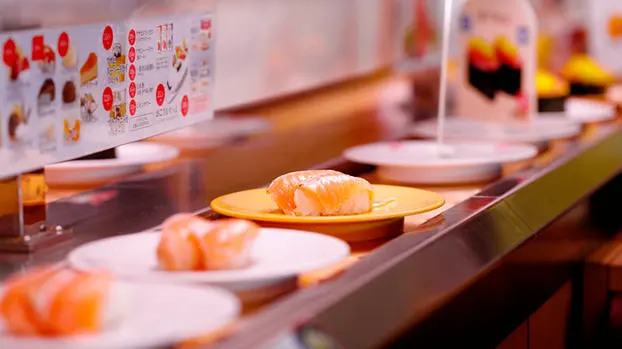
If you invite Vietnamese colleagues to a place that serves sushi or sashimi, conveyor-belt sushi chains are a good choice. In addition to nigiri made with raw seafood, there are fried and yakiniku-style sushi options, so even guests less familiar with Japanese food can find something they enjoy. Being able to order udon or ramen is another plus for Vietnamese diners.
Summary
In Vietnam, people have a fair amount of exposure to Japanese food. Most Vietnamese guests can adapt to Japanese cuisine fairly quickly, but individual preferences still vary. When inviting someone still new to Japan, start with genres they already know from home—such as yakiniku or hot pot—then move on to more distinctly Japanese dishes.
FAQ: Foods Vietnamese people like
What Japanese food do Vietnamese people like? Ramen is a classic choice, and many say they want to try the real thing in Japan. Soy sauce is used daily in Vietnam, and miso is known as a health food, so starting with shoyu or miso ramen tends to go over well. What kinds of food make Vietnamese people happy? They are familiar with noodle dishes such as pho and bun, so noodles in general are popular; for pasta, tomato sauce is the standard favorite. When sharing dishes, including Napolitan or meat sauce is a safe bet. How can you avoid mistakes when choosing a restaurant for a meal? Offer two or three options and let the guest choose, and ask in advance about religious restrictions, allergies, and preferences around raw food or strongly scented ingredients.
Turning meal considerations into workplace retention
Understanding favorite and disliked foods also supports welcome dinners and dormitory life. To apply cultural differences to post-hire support, also see Cultural Differences to Know When Hiring Vietnamese Talent.
For employers considering international talent hiring
As a Registered Support Organization, YourBright provides international talent placement services centered on Specified Skilled Worker. Hear from accepting employers in our case studies, and find materials for acceptance preparation on our downloads page.
 Written by
Share this article


