ACCEPTANCE & EDUCATION
Homecoming Season for Foreign Employees: Temporary Return Home for Nepali Staff Centers on Dashain and Tihar
Companies that employ foreign nationals will want to understand when temporary home visits are likely during foreign employees’ homecoming seasons. In workplaces with foreign staff from Asian countries—where many foreign workers come from—labor management is also needed so leave can be granted in line with each country’s customs and events.
For example, China, Taiwan, Korea, Vietnam, and Singapore take long holidays for Lunar New Year. Buddhist countries such as Myanmar, Sri Lanka, and Cambodia take leave during the April water-festival season. Muslim Indonesians often want time off during Ramadan. In South Asia’s Nepal, homecoming plans are often needed during the Dashain and Tihar season from September to November.
This article introduces Dashain and Tihar, Nepal’s homecoming season, for employers with Nepali staff.
Dashain: A Festival When Families Gather
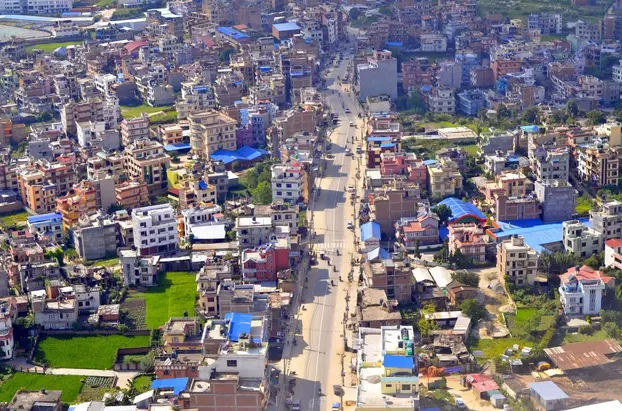
Dashain is a 15-day Nepali festival spent with family. As Dashain approaches, a homecoming rush begins among Nepalis working or studying abroad and those who have lived overseas for many years. People from rural areas who live in the capital, Kathmandu, also return to their family homes by long-distance bus, so Kathmandu’s population tends to decline during this period.
Children who have left home return to their parents, prepare and share festive meals, visit temples, and enjoy their once-a-year family reunion.
Family bonds among Nepalis are strong, and many households live as joint families—extended families. During Dashain, relatives gather on top of these extended households, and lively laughter can be heard from every home.
During Dashain, the whole of Nepal is on holiday: companies, schools, shops, and other workplaces all close. Everyone shifts into holiday mode, much like Japan’s New Year, spending each day eating and drinking and busy visiting relatives.
An essential part of these family gatherings is the Nepali custom of tika. Tika is a mark of blessing made by placing red powder in the center of the forehead, and as a Hindu custom it is always performed during festivals.
The main dish of Dashain is goat meat. In Nepali it is called khasi. Families typically obtain one goat, butcher it on their own premises, and share it with neighbors. Dashain goat dishes are cooked with generous amounts of spices.
During Dashain, demand for khasi is so strong that temporary khasi markets spring up.
Origin of the Dashain festival: It celebrates the triumph of good over evil, when the Hindu goddess Durga defeated the asura who had taken the form of a water buffalo.
A Long Break from Dashain through Tihar
About two weeks after Dashain ends, the Tihar festival begins. Inside Nepal, the period from Dashain through Tihar is a long stretch of holidays and a time when work pace slows sharply. Even if you want to outsource a job, few Nepalis will take it on; the annual cycle is to ease back into work only after Tihar ends.
Tihar: The Festival of Lights
Tihar is a beautiful festival of lights, with streets decorated in illuminations. Colorful lights are hung on house walls, and indoor lights are turned off as night falls.
Over Tihar’s five days there are Crow Day, Dog Day, Lakshmi’s Day, Cow Day, and Brothers’ Day, each with its own observances.
On Lakshmi’s Day—honoring the goddess of wealth and prosperity—households light candles around the home at sunset. Families draw rangoli patterns at the entrance and footprint motifs along the path leading to the household altar to welcome Lakshmi, keep the front door open late into the night, and celebrate Tihar.
Outside, children go from yard to yard singing traditional songs called bhailo / deusi and dancing as the festivities build.
Brothers’ Day is known as Bhai Tika day—bhai (younger brother) plus tika (the red powder blessing mark on the center of the forehead). On Bhai Tika day, sisters take the lead in rites for their brothers according to Hindu tradition. Even siblings who usually live apart return from afar for the ceremony; that is a Nepali custom.
The main foods of Tihar are sweet confections. During the season, sweets unique to Tihar are sold in large quantities at confectionery shops.
In Closing
One hallmark of Nepali society is the custom of families coming together to get things done. A major occasion for that is the Dashain and Tihar festivals. When Nepalis working in Japan hope for a temporary return home, it is often during these Dashain and Tihar festivals.
Even when a temporary return home is not possible, many Nepalis residing in Japan still observe Dashain and Tihar in Japan. Most Nepali restaurants in Japan are likely to hold events tied to Dashain and Tihar.
How people spend Japan’s New Year has become more modern year by year, but Nepal’s Dashain and Tihar evoke an older image of Japan’s New Year—sharing delicious festive meals, dressing in fine clothes, and chatting happily with relatives. It is a simple, heartfelt festival season that makes those moments feel special.
*Nepal runs on the Bikram Sambat calendar, which differs from the Gregorian calendar. Because Dashain and Tihar also follow Bikram Sambat, fixed Gregorian dates cannot be given. Only after the new Bikram Sambat calendar is issued does each year’s Dashain and Tihar timing become clear. As a rough guide, they fall around September to November on the Gregorian calendar.
 Written by
Share this article


