CULTURE & LIVING ABROAD
4 Seasonings Vietnamese People Love
Vietnamese food culture has been influenced by China, so it shares similarities with Japanese food culture. Even so, many dishes use seasonings unfamiliar to Japanese people. As a result, many people wonder which condiments to prepare when dining together or serving home-cooked meals.
Providing seasonings that Vietnamese people prefer can make unfamiliar Japanese food more enjoyable. Here we introduce four seasonings Vietnamese people like, focusing on ones you can also find in Japan.
[Vietnamese Seasoning 1] Chili Sauce and Ketchup Are Absolute Must-Haves
For Vietnamese people, chili sauce and ketchup are indispensable seasonings. You can think of these two as must-have items.
Vietnamese Cuisine Is Surprisingly Mild
When people think of Southeast Asian cuisine, they often imagine bold flavors packed with chili peppers. Surprisingly, though, the basic seasoning in Vietnam relies on umami. Soups are based on chicken bones. Soy sauce and similar condiments are used at times, but compared with Japan the range of seasonings is not especially wide.
Adding Ketchup and Chili Sauce at the Table
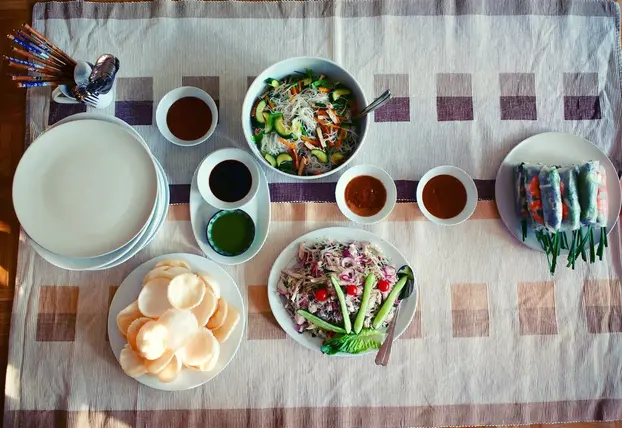
For that reason, it is common to use ketchup and chili sauce from the table when eating Vietnamese food. The Vietnamese style is to add them to just about everything—vegetables, meat, rice dishes, and soup. Chili sauce is especially popular. During the period when someone is not yet used to Japanese food, leaving chili sauce out will be appreciated.
[Vietnamese Seasoning 2] A Wide Variety of Spiced Salts
Spiced salt is one of the popular souvenirs from trips to Vietnam, and it is also essential to Vietnamese meals.
Eating Vegetables and Fruit with Spiced Salt
Vietnamese people have a habit of eating large amounts of vegetables. Many kinds of fruit are also available at low prices. There are sweet fruits such as lychee and mangosteen, but flavors tend to be on the greener side. Vegetables also taste milder than those in Japan. For that reason, there is a custom of dipping cucumber, melon, mango, watermelon, and similar produce in spicy spiced salt to bring out their sweetness.
Mixing Salt with Sudachi Is a Sure Bet
Another established practice is eating beef, chicken, seafood, fried foods, and more with an original sauce made by adding sudachi to spiced salt. In Japan, sudachi is sometimes served with fried foods, but in Vietnam it comes as a set with salt. If you prepare it in Japan, you can recreate the Vietnamese flavor with Magic Salt and sudachi.
[Vietnamese Seasoning 3] Sweet Soy Sauce
Vietnam also has a custom of using soy sauce made from soybeans, but it is considerably sweeter than in Japan.
Vietnamese Soy Sauce Is Quite Sweet
Although the names differ, soy sauce is used nationwide across northern, central, and southern Vietnam. The north prefers a slightly saltier style, while sweeter versions are favored the farther south you go. In any case, the flavor is considerably sweeter than in Japan. Recently, soy sauces flavored with garlic and other ingredients have also become popular.
Soy Sauce Is Essential When Eating Vegetables
In Japan, soy sauce is mainly used when making simmered or stir-fried dishes, but in Vietnam it is often used as a dipping sauce for vegetables. Many Vietnamese people make their own sauce in a small dish by adding finely cut chili peppers and garlic to sweet soy sauce. It is also popular as a way to change the flavor of fried rice.
[Vietnamese Seasoning 4] Chili Oil for Eating Is Likely to Be a Hit
Although its place is a little different from ordinary seasonings, chili oil for eating—which became a major hit in Japan as well—is highly likely to suit Vietnamese tastes.
Chili and Garlic: Must-Haves for Noodle Dishes
When Vietnamese people eat noodle dishes such as pho or bun, they customize the soup with ketchup, chili sauce, soy sauce, and other condiments from the table. Among these, chili and garlic are especially indispensable. When you visit a Vietnamese cafeteria or restaurant, a generous amount of chili and garlic is always on the table. The standard way is to dissolve it into the soup and coat the noodles as you eat.
Chili Oil for Eating Has a Similar Flavor
In Vietnam, chili and garlic are often homemade, but in Japan chili oil for eating has a similar flavor. Serving it with ramen, stir-fried vegetables, fried rice, yakiniku, and similar dishes is likely to spark interest. Note, however, that Vietnamese garlic has less of a smell than Japanese garlic. Types with a strong, punchy garlic flavor may be harder to eat.
Summary
Basic seasonings are not all that different from those in Japan, so after a few months people will likely grow familiar with Japanese flavors. That said, for Vietnamese people who have just arrived in Japan, Japanese seasoning is an entirely different culture. One idea is to prepare milder dishes first and put table condiments out so each person can adjust the flavor. In Vietnam, it is common to add your own seasoning to lightly seasoned food. When you are the one cooking, it is also important to be tolerant of people changing the flavor with condiments.
 Written by
Share this article


