CULTURE & LIVING ABROAD
Don't Serve These! 4 Japanese Foods Many Vietnamese People Struggle With
Quick answer: Which Japanese foods do Vietnamese people dislike?
There is no single dish that all Vietnamese people dislike, but some may be unaccustomed to raw foods, fermented foods, and ingredients with a sticky texture or strong aroma. At welcome parties, listing main ingredients and cooking methods—not just dish names—and asking in advance what people cannot eat can help you avoid missteps.
If you host meals for Vietnamese people who have come to Japan for work or study, you may wonder which foods they dislike. Japan and Vietnam have quite different food cultures, so unexpected items are often off-limits. Here are four foods many Vietnamese people struggle with.
Food many Vietnamese people dislike ①: Raw eggs
In Vietnam, chicken and eggs are everyday ingredients—whole chickens are even sold as is—but raw eggs are a no-go.
Vietnamese people tend to dislike raw eggs
Vietnamese supermarkets sell raw eggs in packs just as in Japan, so dishes like raw egg over rice might seem fine. However, eggs in Vietnam have longer sell-by dates than in Japan, and storage conditions before they reach the shelf can be uncertain. Food poisoning from older eggs is not uncommon, so many Vietnamese people are wary of raw eggs.
Eggs are typically fried in plenty of oil
That said, Vietnamese people love eggs. Fried eggs sandwiched in bread or served over rice are common. What differs from Japan is frying them in plenty of oil; a firmly cooked, well-done style is the norm. Tamagoyaki (Japanese rolled omelet) is also a hit. The technique of rolling cooked egg is not found in Vietnam, and people are sure to be impressed, calling it “beautiful” or “pretty.”
Food many Vietnamese people dislike ②: Sushi
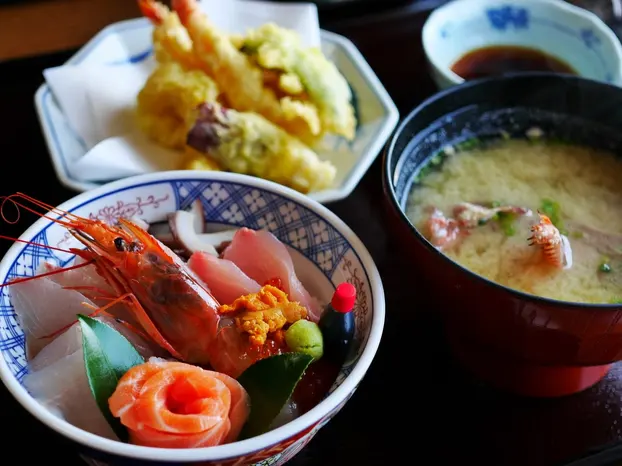
Individual preferences vary, but a fair number of Vietnamese people are uneasy about Japanese-style sushi.
Sushi culture is well established in Vietnam
Sushi is a fixture on restaurant menus in Vietnam and popular across ages and genders. Large sushi platters are essential at farewell parties, birthday parties, and other gatherings. At lunchtime, street stalls selling takeout sushi line the streets. So when you ask what Japanese food they want, many Vietnamese people will say “sushi.”
Some people dislike Japanese-style sushi
However, Vietnamese sushi has a different feel from Japanese sushi. Raw fish is limited to tuna and salmon. Shrimp is used, but only boiled. Popular fillings include avocado, cheese, and imitation crab. People typically eat it with mayonnaise or chili sauce rather than soy sauce. Lightly battered, quickly fried tempura sushi is also very popular. Of course many Vietnamese people enjoy raw-fish sushi, but some refuse anything uncooked, so it is best to check in advance.
Food many Vietnamese people dislike ③: Japanese curry rice
Vietnam does have a curry-eating culture, but Japanese curry differs in both flavor and texture, so many people find it hard to enjoy.
Vietnamese curry is mild and thin
Vietnamese curry is yellowish and looks similar to Japanese curry at first glance. Once you taste it, though, it is not spicy at all. The yellow color comes from sweet potato, and coconut milk is also added, making it more of a sweet dish. It is thin like soup curry, with no thickness at all. The usual way is to dip rice or French bread into it. Chicken is the standard ingredient, though boiled shrimp or squid are sometimes added.
When serving curry, make it mild and sweet
When cooking for a large group, curry is a common choice. Do not assume that because someone is from Southeast Asia they can handle spice. Vietnam has almost no spicy dishes. Vietnamese people prefer sweet seasoning instead. For them, medium or hot Japanese curry counts as “extremely hot.” Serving mild, sweet curry makes it much easier to eat. Using chicken, which they are used to, will also bring it closer to home flavors.
Food many Vietnamese people dislike ④: Yokan (sweet bean jelly)
In Vietnam there is a custom of eating mooncakes at the Mid-Autumn Festival, and people love sweet bean paste itself—but yokan needs caution.
Vietnam has many sweets made with bean paste!
The most famous bean-paste sweet in Vietnam is the mooncake. Introduced from China, it is still shared with family and friends at the Mid-Autumn Festival, celebrated with lanterns. Vietnamese mooncakes are hefty and hard for one person to finish alone. They are cut into equal slices like a cake and shared. Tradition says this lets everyone share in the happiness.
Vietnamese people often dislike yokan’s sweetness and texture
Mooncakes also contain bean paste, but it is a lighter strained paste made from mung beans. Vietnamese people have a sweet tooth and use lots of sugar in cooking, yet they prefer a cleaner taste in bean paste. Japanese people may not think of yokan as especially sweet, but for Vietnamese people it often tastes too sweet. Even more than the sweetness, the texture is a problem: the firmness from agar often makes people grimace. If you offer yokan, mizu-yokan (a softer, chilled version) may go over better.
Summary
Vietnamese people tend to be cautious about new flavors and may reject foods they have never tried. That said, they also adapt well to new environments, so aversions often ease the longer they live in Japan. There is a stereotype that foreign nationals dislike natto, yet many Vietnamese people love it. Start by respecting what they find difficult, then gradually broaden the range of foods, and they will settle into Japanese eating habits.
FAQ: Foods Vietnamese people dislike
Are there foods Vietnamese people cannot eat? There is no universal no-go, but many avoid raw eggs out of concern about food poisoning, and some are unaccustomed to raw foods, fermented foods, and sticky or strongly aromatic ingredients. Checking with the person in advance is the surest approach. Why do Vietnamese people avoid raw eggs? In Vietnam there is little habit of eating eggs raw because of concerns about storage conditions; firmly cooked eggs fried in plenty of oil are the standard. They love eggs themselves, and Japanese tamagoyaki is popular, including the rolling technique. Is it okay to serve sushi? Sushi is well established in Vietnam as a party staple, but preferences for Japanese-style sushi centered on raw fish vary. For welcome parties, choosing a restaurant that also offers cooked options is safer.
For those considering hiring international talent
YourBright is a Registered Support Organization offering international talent placement services focused on Specified Skilled Worker. Hear from companies that have hired through us in our case studies, and find materials for preparing to accept talent on our downloads page.
 Written by
Share this article


